


Small Actions, Big Shifts
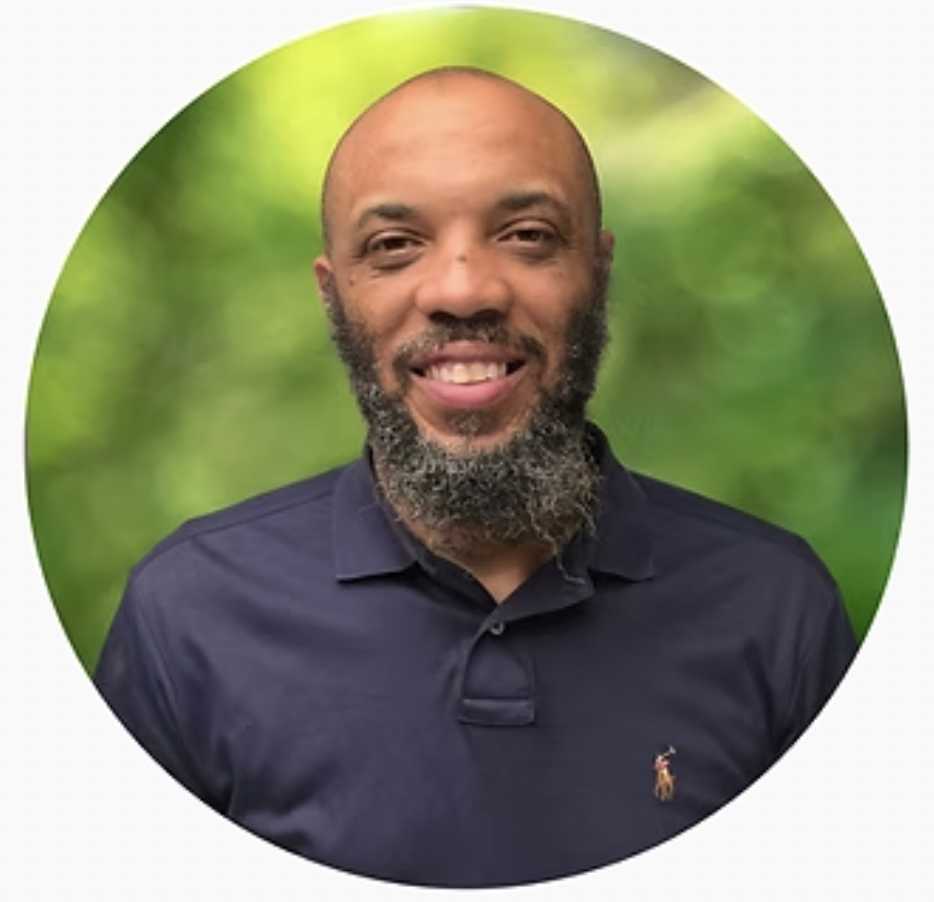
11 years ago, nobody would’ve bet on me turning my life around, and based on how I was living, I can’t even say they were wrong.
Back then, mental health wasn’t even on my radar. I was just getting through the day the only way I knew how, and it wasn’t working.
What I’ve learned is that change didn’t happen all at once. It came from the small choices I had to keep making… every day. I’ve had some big turning points, but what kept me moving forward were the small choices I made after them.
For me, it looked like just showing up when I didn’t feel like it. Picking up the phone instead of isolating. Doing the things I knew I needed to do instead of talking myself out of it. Learning to pause before I react. Being honest, even when it would’ve been easier not to be.
At the time, those choices didn’t feel like much. But over time, they started to add up, and I began to feel more stable, more clear, and more focused on where I was going.
It’s like when someone is working out or trying to lose weight. When you look at yourself every day, you don’t really notice the change. But people who don’t see you every day will say, “You’re losing weight! You look good!”
That’s how those small choices work. You might not see it right away, but they’re building something.
Now, as a Peer Recovery Specialist, I see this all the time. People feel like they have to change everything overnight, but the difference is, it’s really the small things that start to make a big difference. One thing I’ve learned, both personally and professionally, is that not all small steps are created equal.
For a long time, people told me what I needed to do to get better. And while some of it came from a good place, when you’re already overwhelmed, being handed a list of what you “should” be doing can feel like even more pressure.
What made the difference was when I started having a say in my own recovery. Self-directed care is about asking, " What can I handle today?” Not what works for someone else. Not what looks good on paper. What actually feels doable for me right now?
Because a small step only works if you believe in it.
For one person, that step might be getting out of bed and opening the blinds. For someone else, it might be making a phone call they’ve been avoiding. For another, it might be choosing not to give up today.
And that counts.
Winning the National Peer Specialist of the Year Award from the National Council for Mental Wellbeing means a lot to me. But it’s not about one moment, it’s about the small decisions that add up over time. The same kind of decisions I see people making every day in their own recovery. As I get ready to attend NatCon 2026 in Denver, I’m reminded that real change is happening all around us, not from big breakthroughs, but from small actions that keep stacking up.
Finally, there’s something else I had to learn through all of this: celebrate yourself.
Not everybody’s going to clap for your progress. Some of your biggest wins are going to happen quietly, behind the scenes. But that doesn’t make them any less real.
So if nobody throws you a parade for taking those small steps and turning them into something bigger… throw one for yourself.
That’s how confidence is built. That’s how momentum starts.
Comments